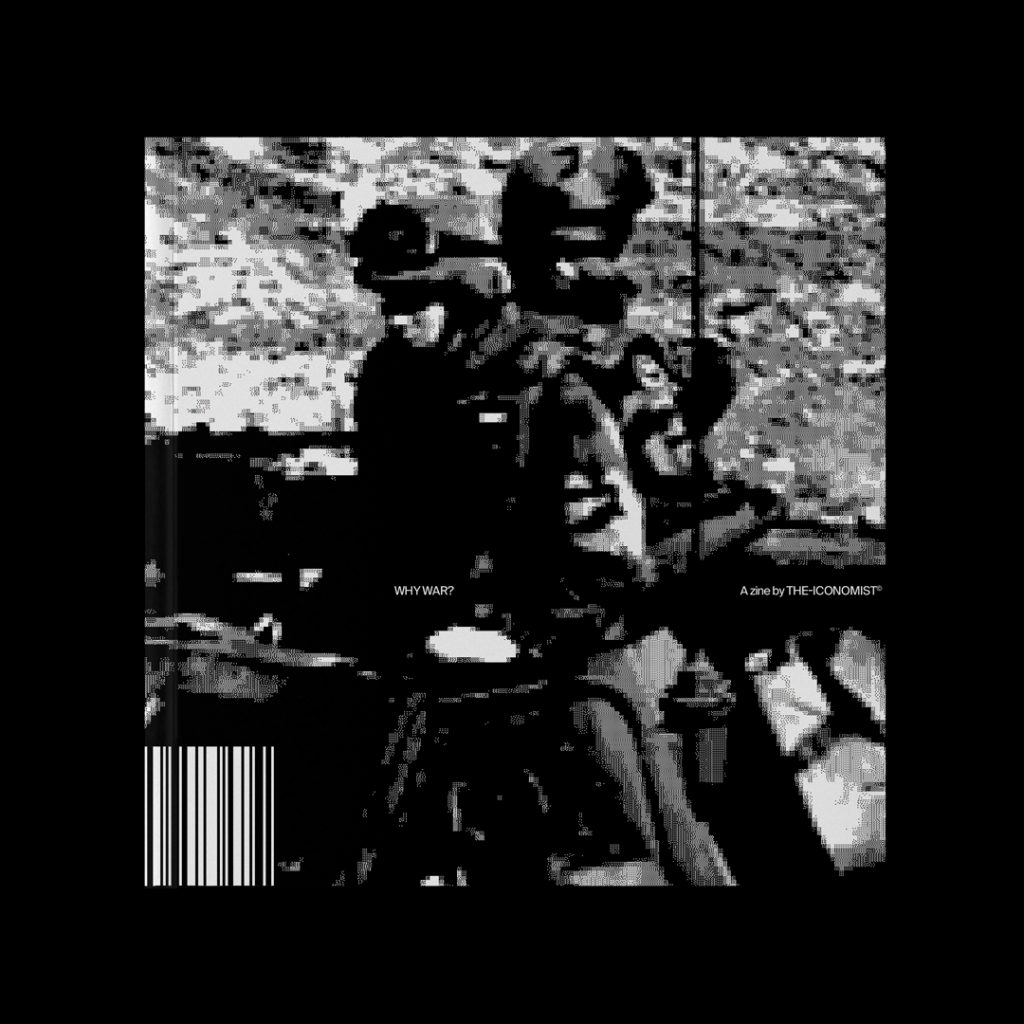
WHY WAR? starts from the question posed in the letter Why War?, exchanged between Sigmund Freud and Albert Einstein in 1932: why does war persist, even in the face of all the rationality we have supposedly achieved? The images gathered here do not aim to illustrate the history of conflicts, but to reveal their permanence — as if war, rather than an event, were a structure that reconfigures itself with each generation. According to recent studies by the Peace Research Institute Oslo, 2024 saw the highest number of simultaneous armed conflicts since the end of the Second World War — more than sixty active wars in thirty-six countries. Faced with this repetition, the images speak less of borders and more of a human condition that insists on not ceasing. This zine is, therefore, an archive of the continuity of violence — and an attempt to ask again, with Freud: why?
$25 USD Buy in print
$15 USD Buy digital version
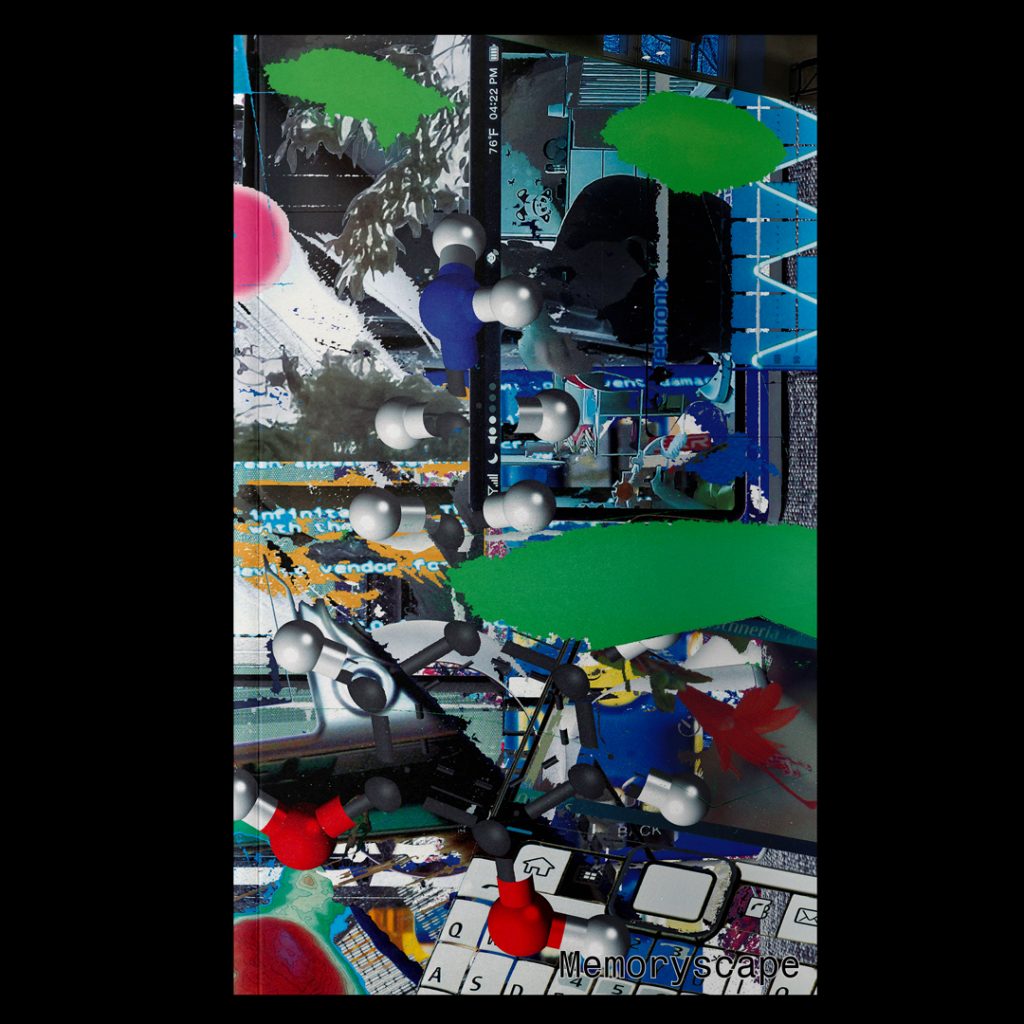
Memoryscape, a speculative short story by THE-ICONOMIST, investigates the collapse between memory, technology, and subjectivity. A narrator navigates feeds, notifications, algorithms, and system failures in search of himself, finding only residues: echoes, noises, and fragments of a life mediated by devices. Between archived dreams, captcha identities, and emotions translated into data, the book constructs a scenario in which memory no longer belongs to the body and begins to operate in invisible infrastructures. The 99 images that accompany the narrative were appropriated and organized according to the rhythm and recurrences of the text, functioning as visual extensions of its symptoms, flaws, and interruptions. Each reappearance marks a short circuit between experience and record, until the attempt to escape one’s own memory presents itself as an ambiguous gesture: to disappear from the archives in order to continue existing.
145 pages, 11x18cm, brochure, with shipping worldwide
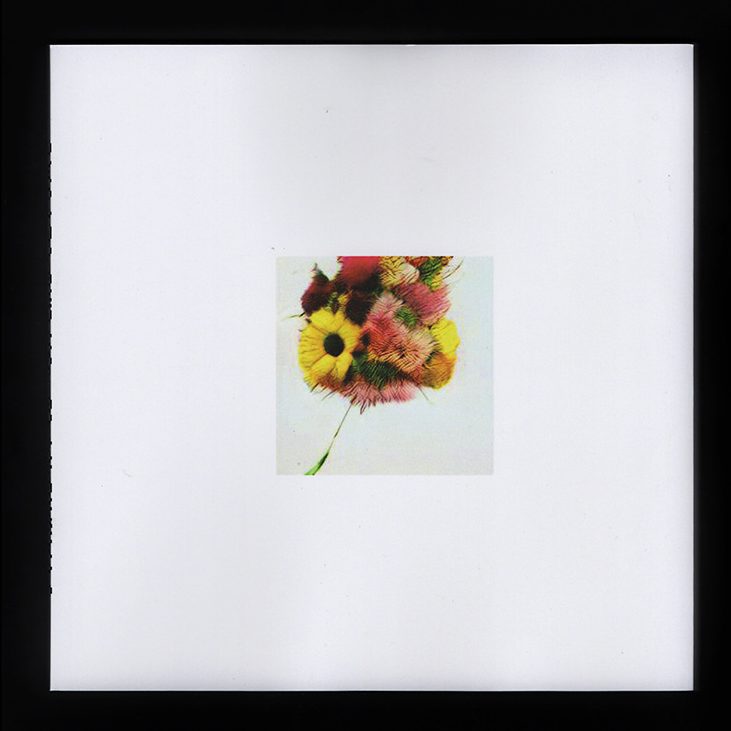
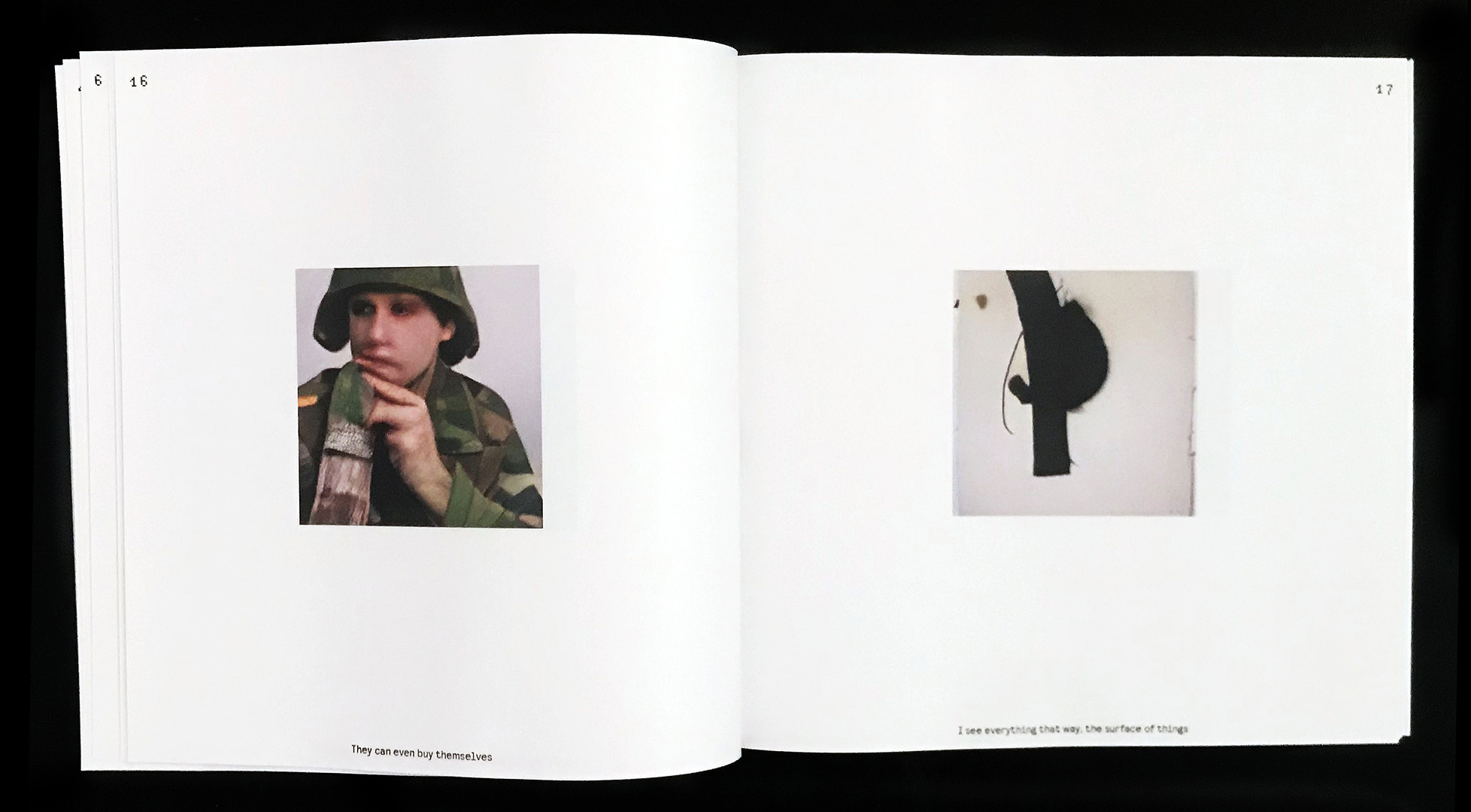
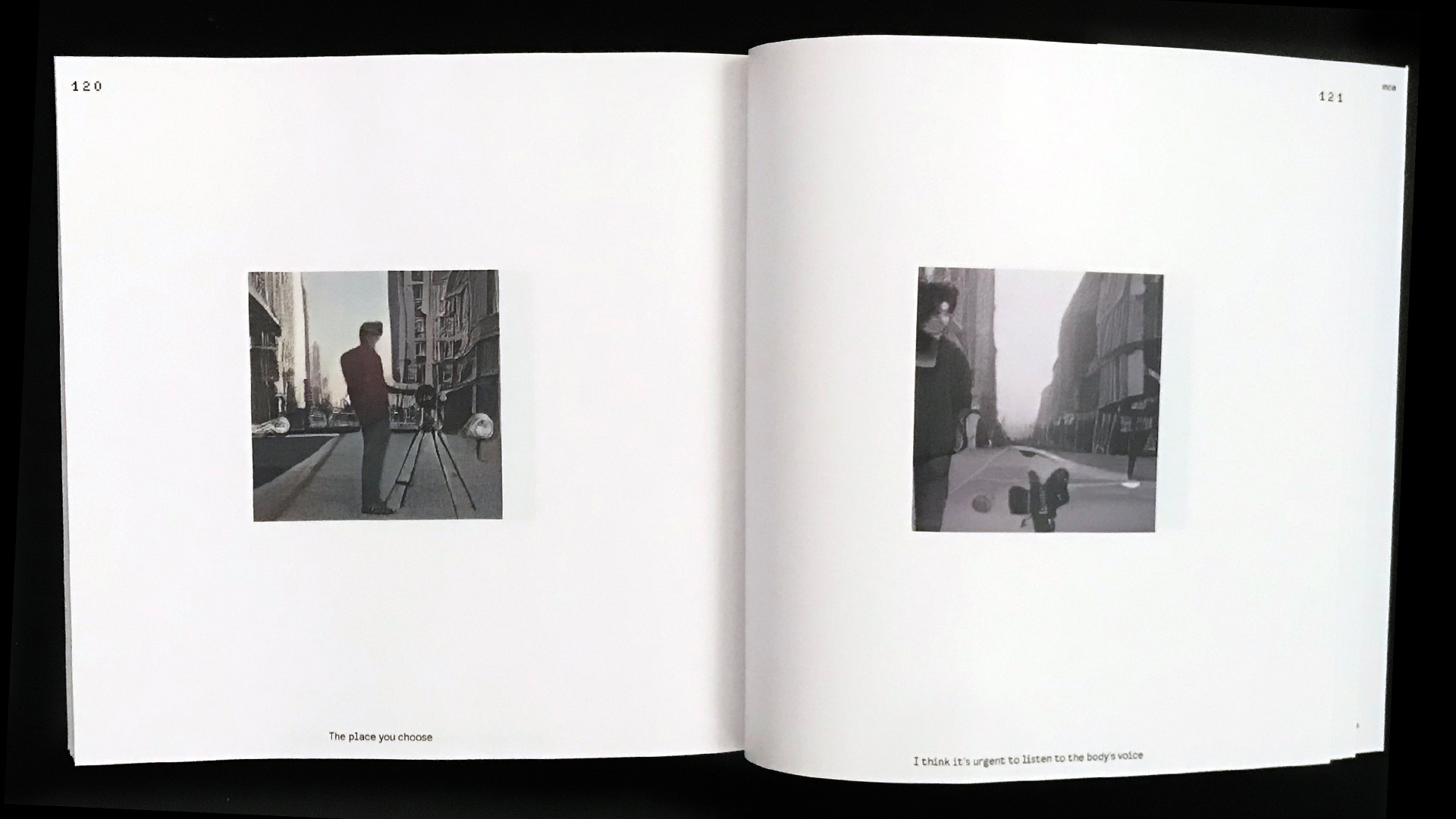
STAYNONSTOP is a photobook consisting of a selection of 130 images generated by artificial intelligence. The images are accompanied by fragments of artists’ texts from different sources. The name of the book comes from a reflection on how addictive these image production processes through artificial intelligence can be, like everything these days. By placing these images in confrontation with the text fragments, we try to force new readings and the creation of new contexts different from the ones used to generate the images.
Read more: STAYNONSTOP